
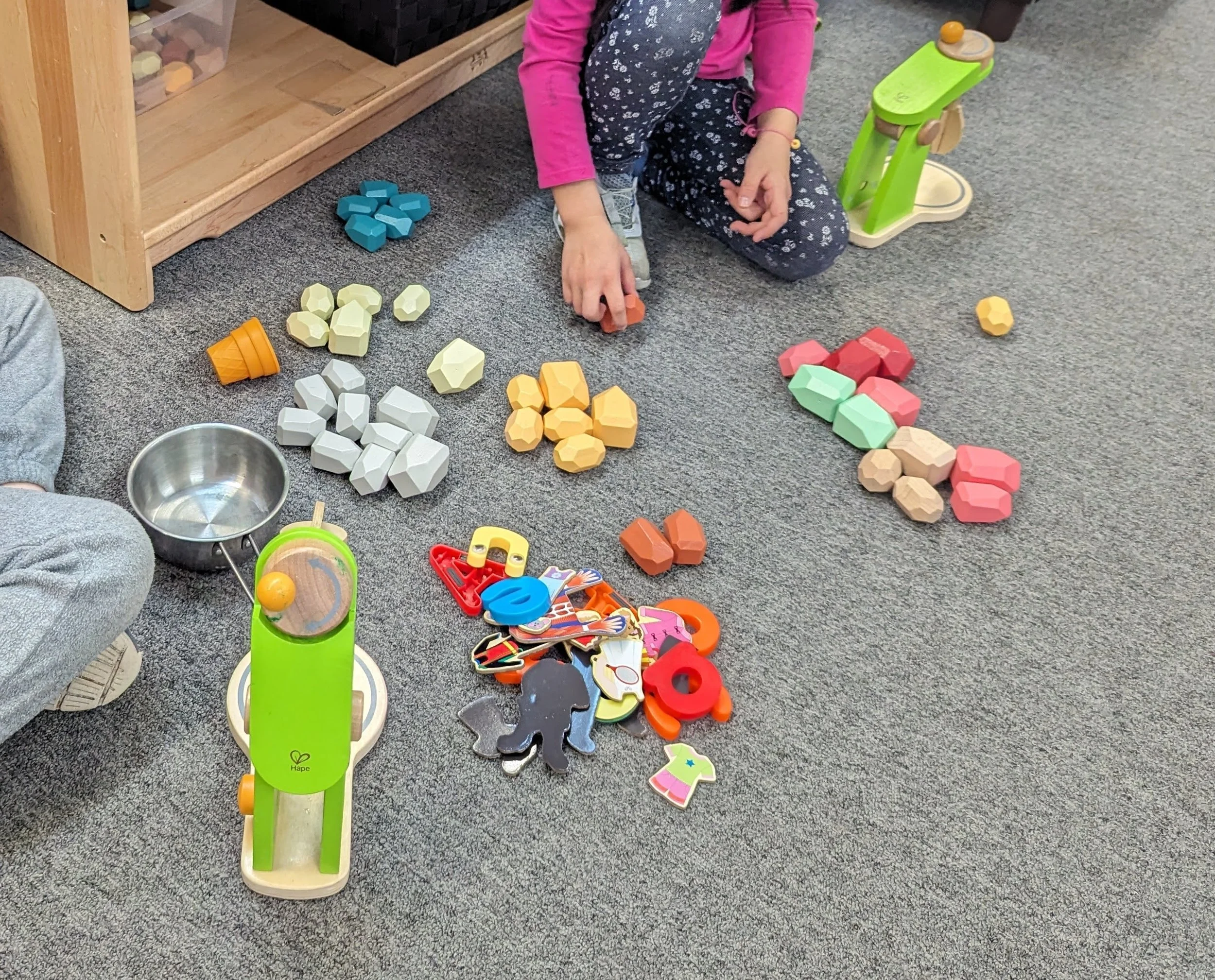
Loose Parts, or, The Magic of Cardboard
Loose parts engage many parts of the brain and support children's learning, development, and future learning needs. They support learning for children with a variety of needs, at a variety of developmental stages, and support cognitive development for the whole child.
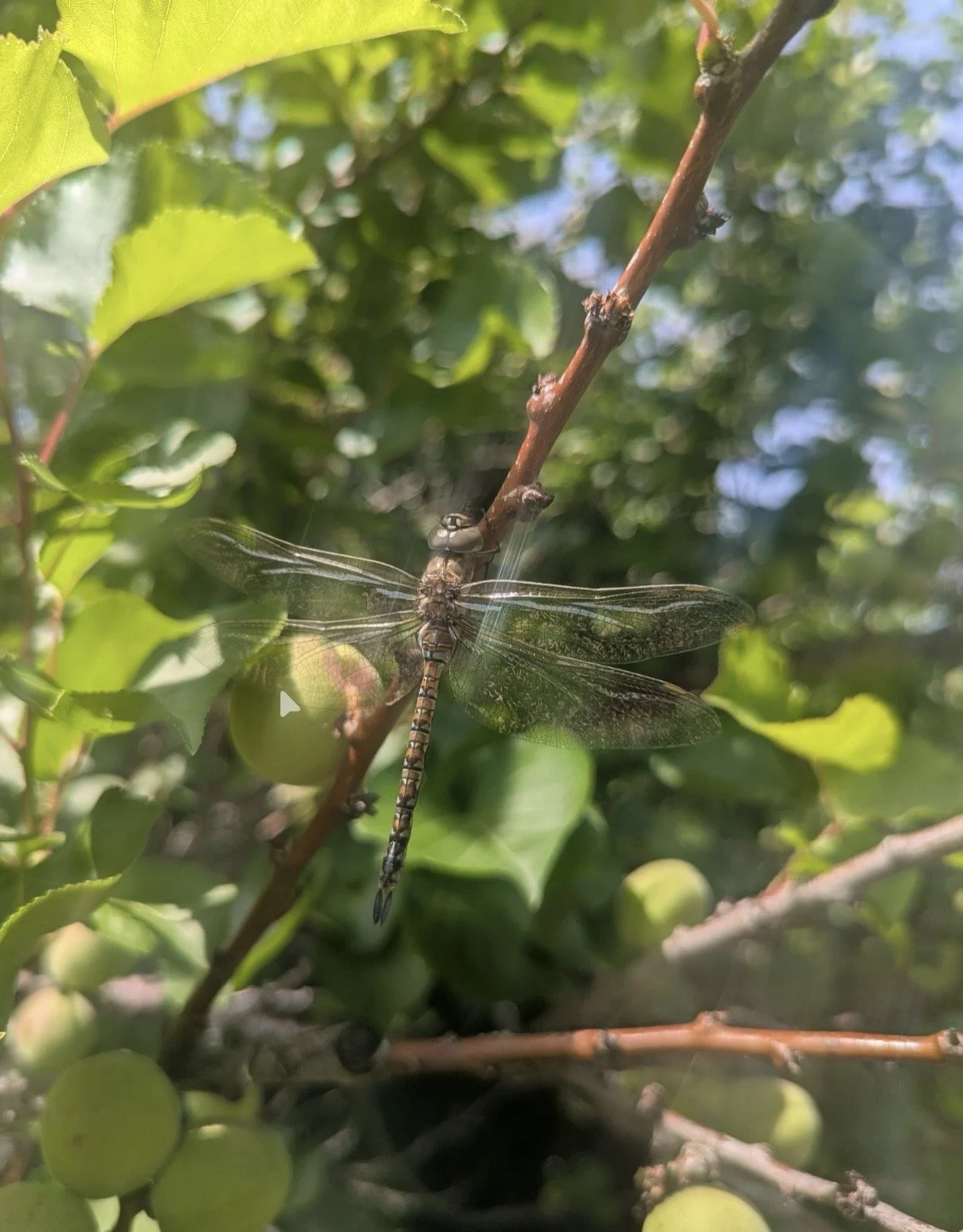
The Visiting Dragonfly
"Hello Dragonfly!" Read how a simple moment in the garden allowed our students to practice their observation skills and demonstrate deep empathy. Teacher Stacy shares why inviting spontaneous curiosity is at the heart of our learning approach.
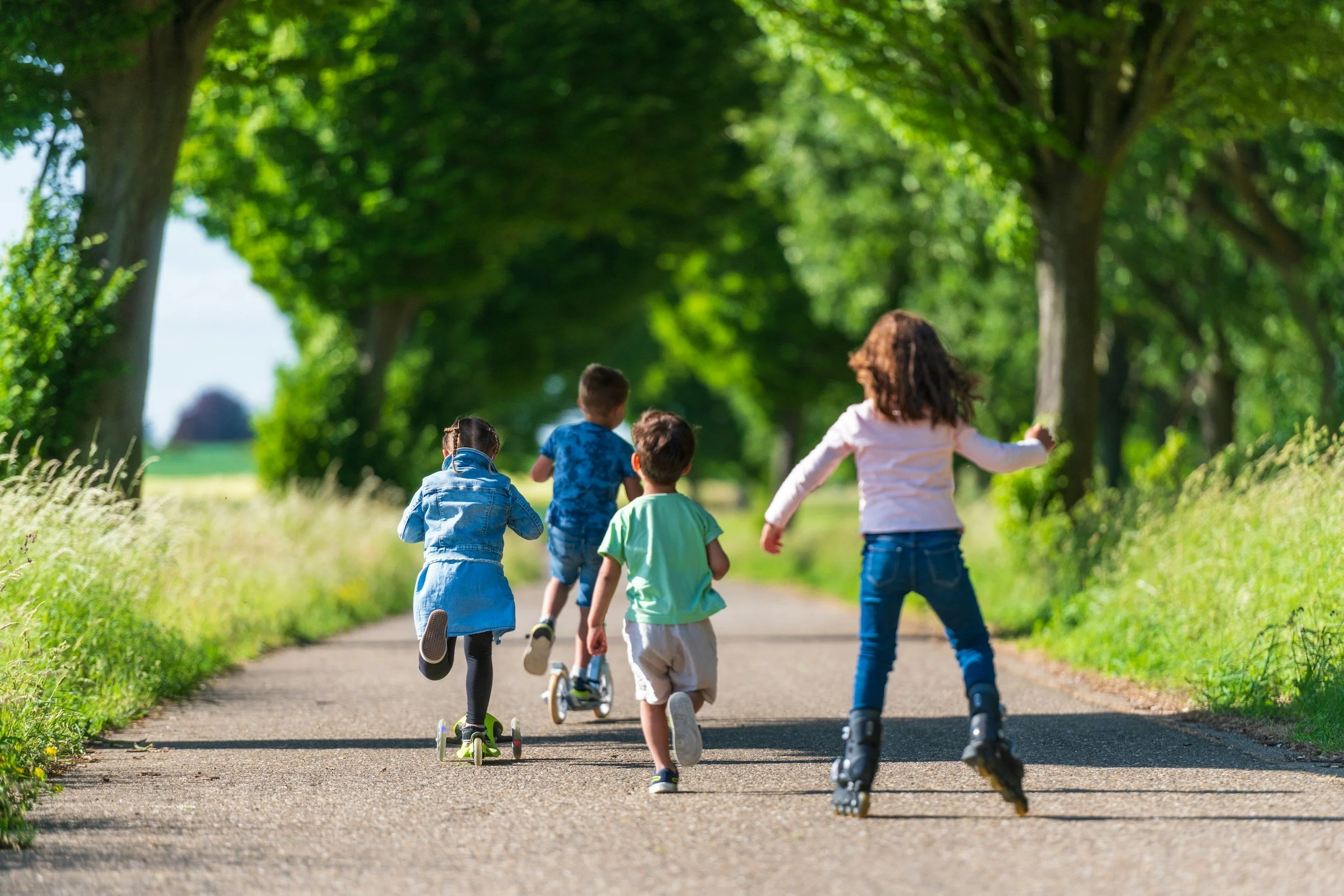
The Science of Play: One Parent’s Journey
What happens when parents and teachers team up to research how we interact with our kids during playtime? Read on for a wonderful reflection from FPNS parent Tomomi about the recent project presentation, the importance of open-ended materials, and why the "little things" matter so much.
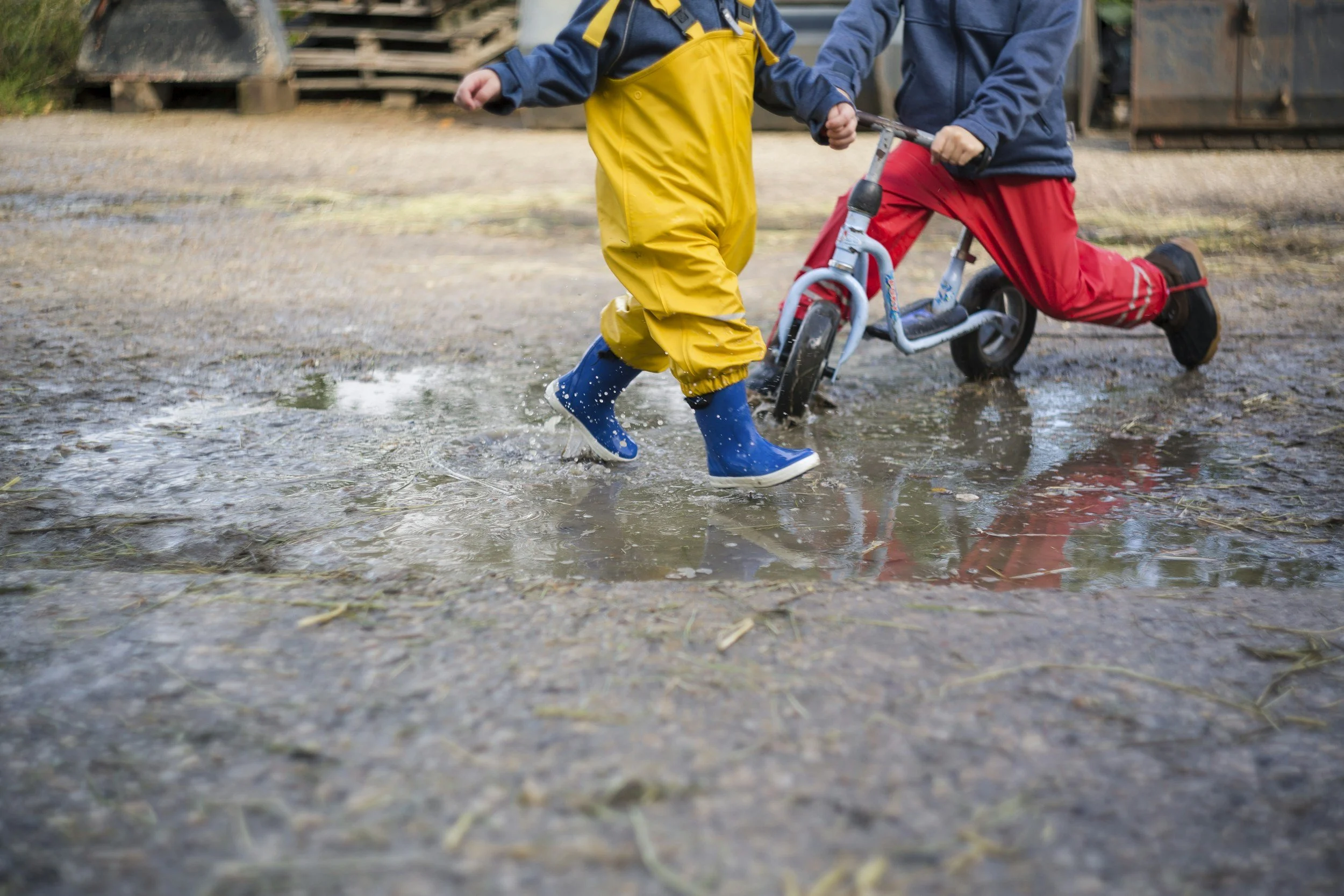
Musings on Alternative Education…
At FPNS, we know that play is the foundation of everything. But what happens when that foundation meets the "real world" of traditional schooling? Last weekend, Yesha and Stephanie attended the Reimagine Education Expo in Oakland to explore how we can protect our children’s unique sparks. From the "unlearning" process of parenthood to the power of self-directed discovery, they share why the journey doesn't have to look the same for every child.
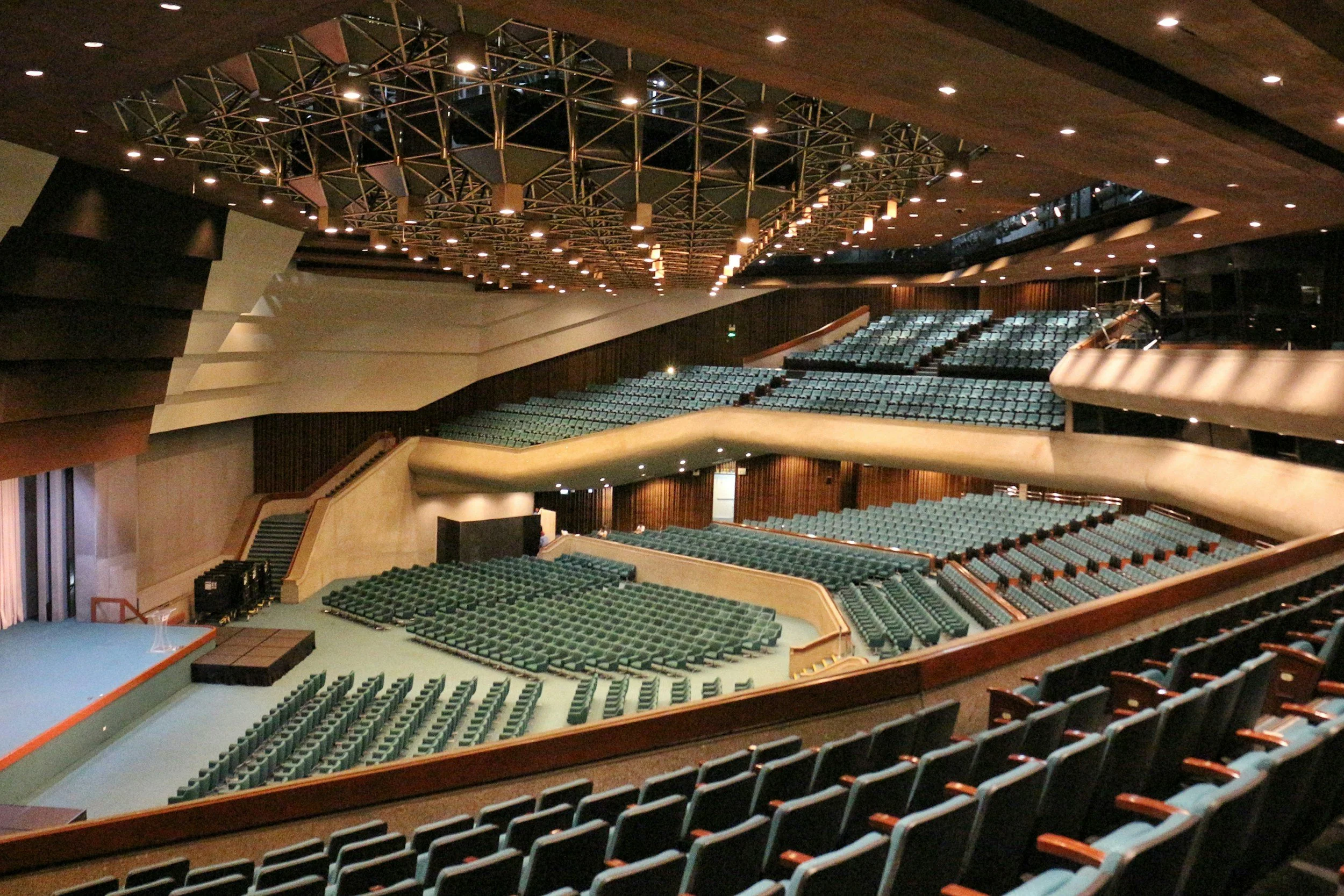
CCPPNS 2026
What happens when educators and families from across the state gather to celebrate the magic of cooperative learning? This March, our team attended the CCPPNS convention for two days of inspiration, connection, and growth. From honoring our dedicated families to touring local forest schools, we’re bringing home fresh ideas and a renewed passion for our play-based community. Read more about our journey and how we’re growing together.
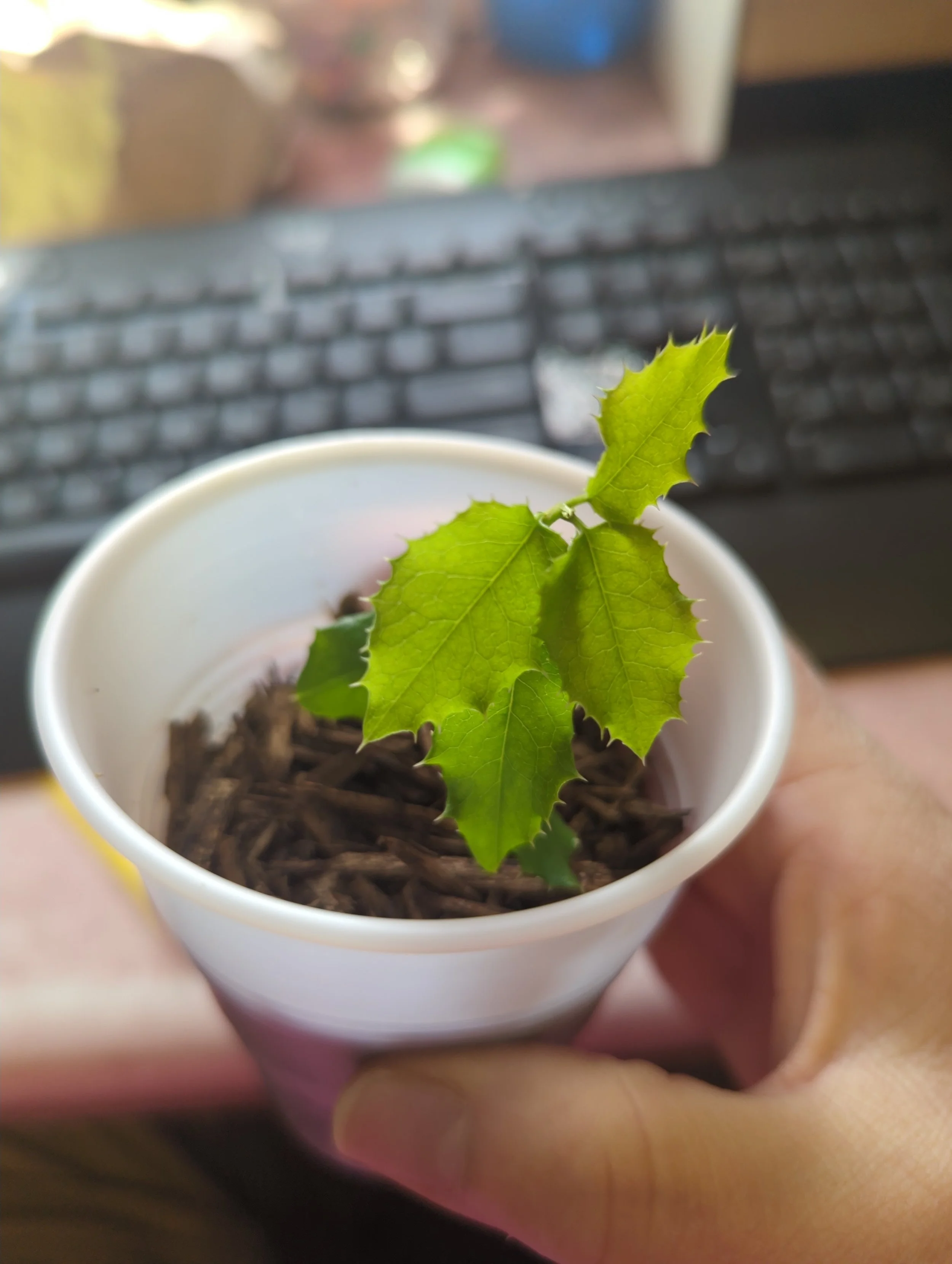
Materials: How Mastery of Materials Shapes Knowledge in a Child-led World
By drawing on the wisdom of John Dewey and the artistry of needlework, this piece explores how children develop a "friendliness" with materials through frequent, self-motivated use. Whether it’s rolling clay spirals or growing a "poky plant" from a found seed, children build a deep, intuitive knowledge of the world when they are given the time to explore without explicit instruction. Discover how our child-led curriculum allows students to master their environment and materials, preparing them to turn their own creative ideas into reality.
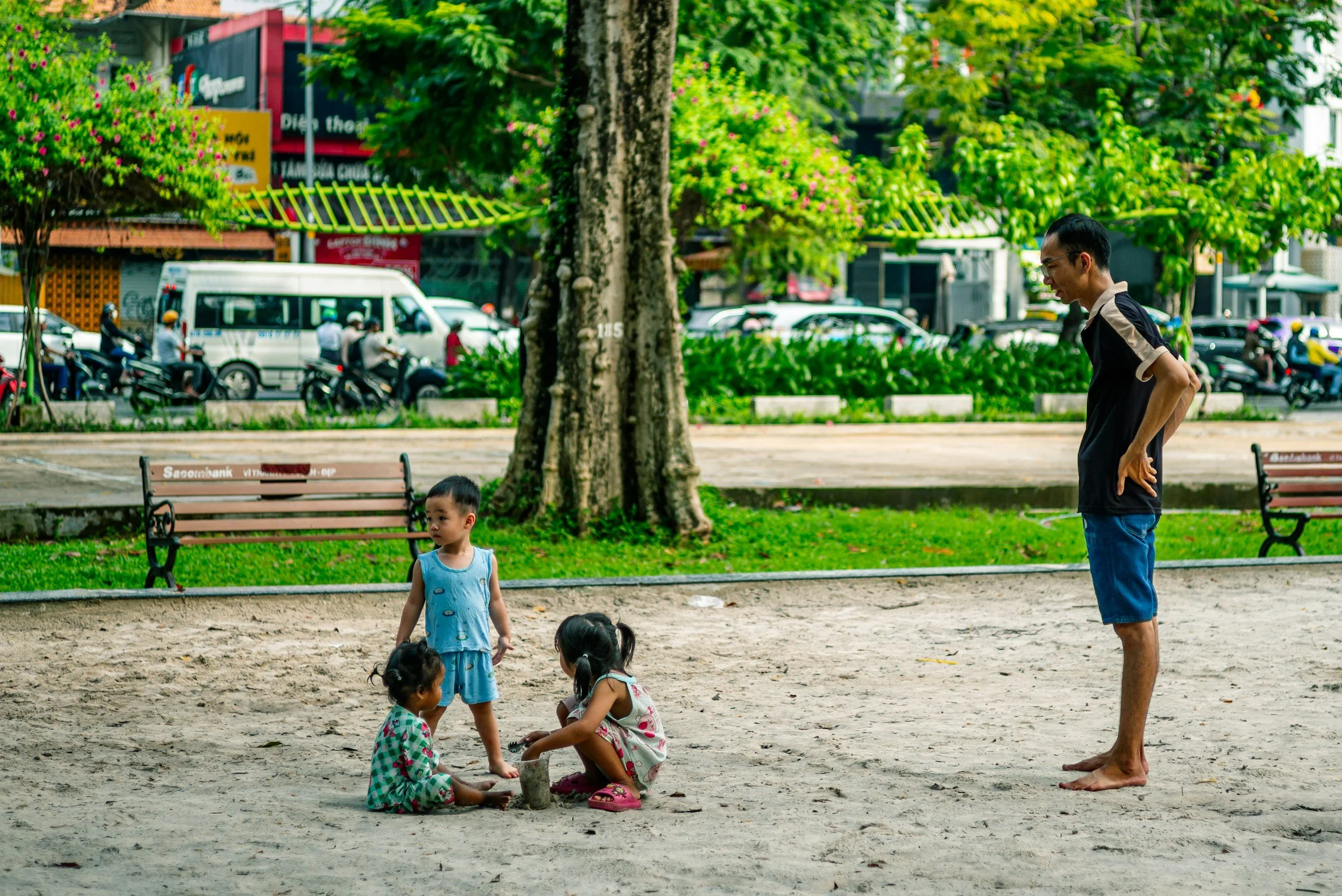
‘Play Nicely’
While the phrase "play nicely" is used frequently, its vague nature often acts as a catch-all for adult comfort rather than clear guidance for a child. By replacing these scripts with specific, empowering language—like "use the toys gently" or "make sure everyone is included"—we provide children with the clarity they need to navigate social situations. Discover how shifting toward direct communication respects a child’s capacity to learn and fosters genuine engagement over simple compliance.
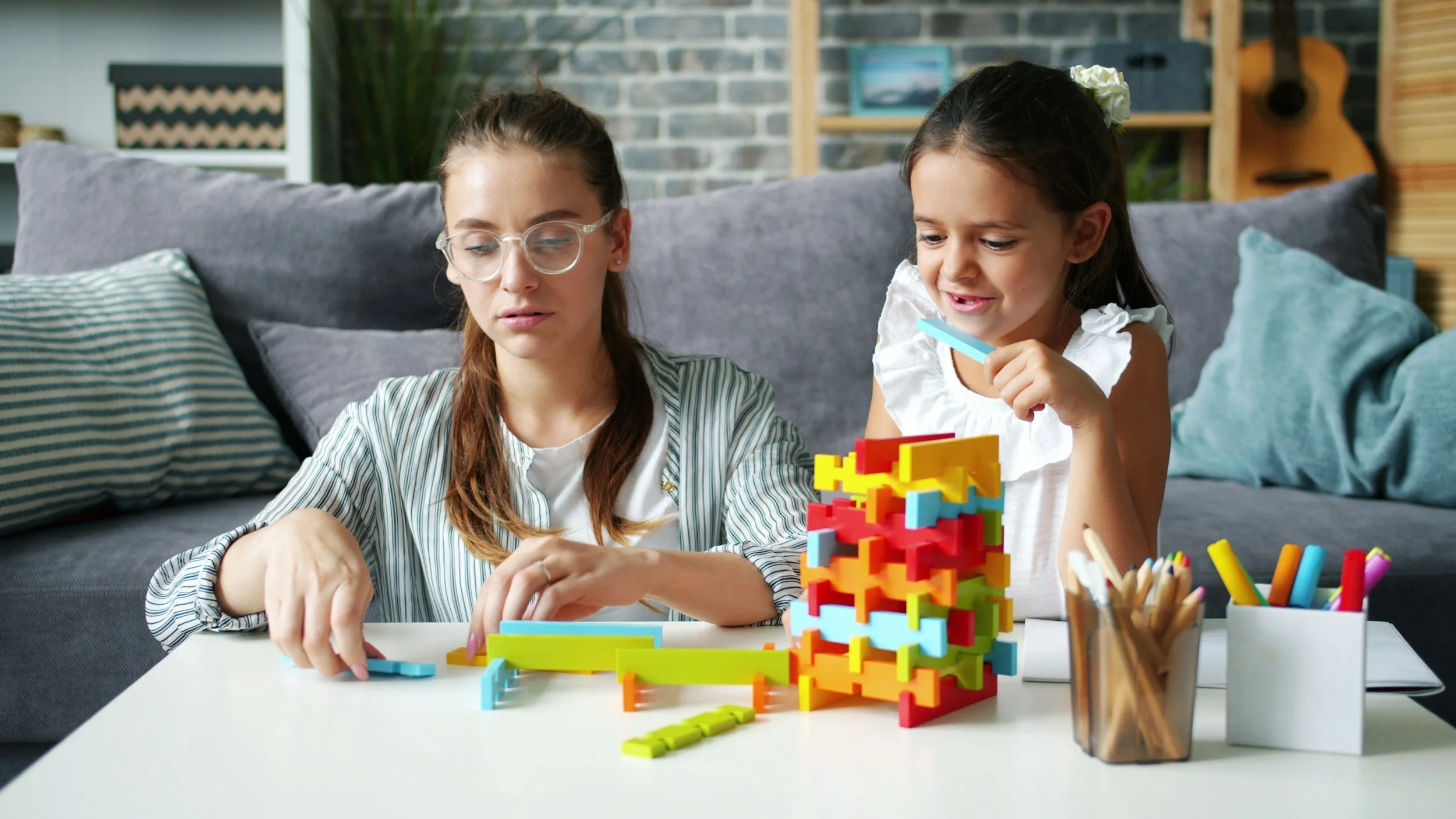
Let Them Play: A Reflection on Parent-child Interactions
After observing a local fundraising event, this reflective piece explores why well-intentioned parents often feel the need to "take over" their children’s play with instructions and guidance. By stepping back and resisting the urge to direct every interaction, we create the necessary space for children to solve problems, test ideas, and build their own confidence. Discover why the most valuable thing we can offer during play isn't our instruction, but our quiet, attentive presence.
‘Will You Draw a Dinosaur for Me?’
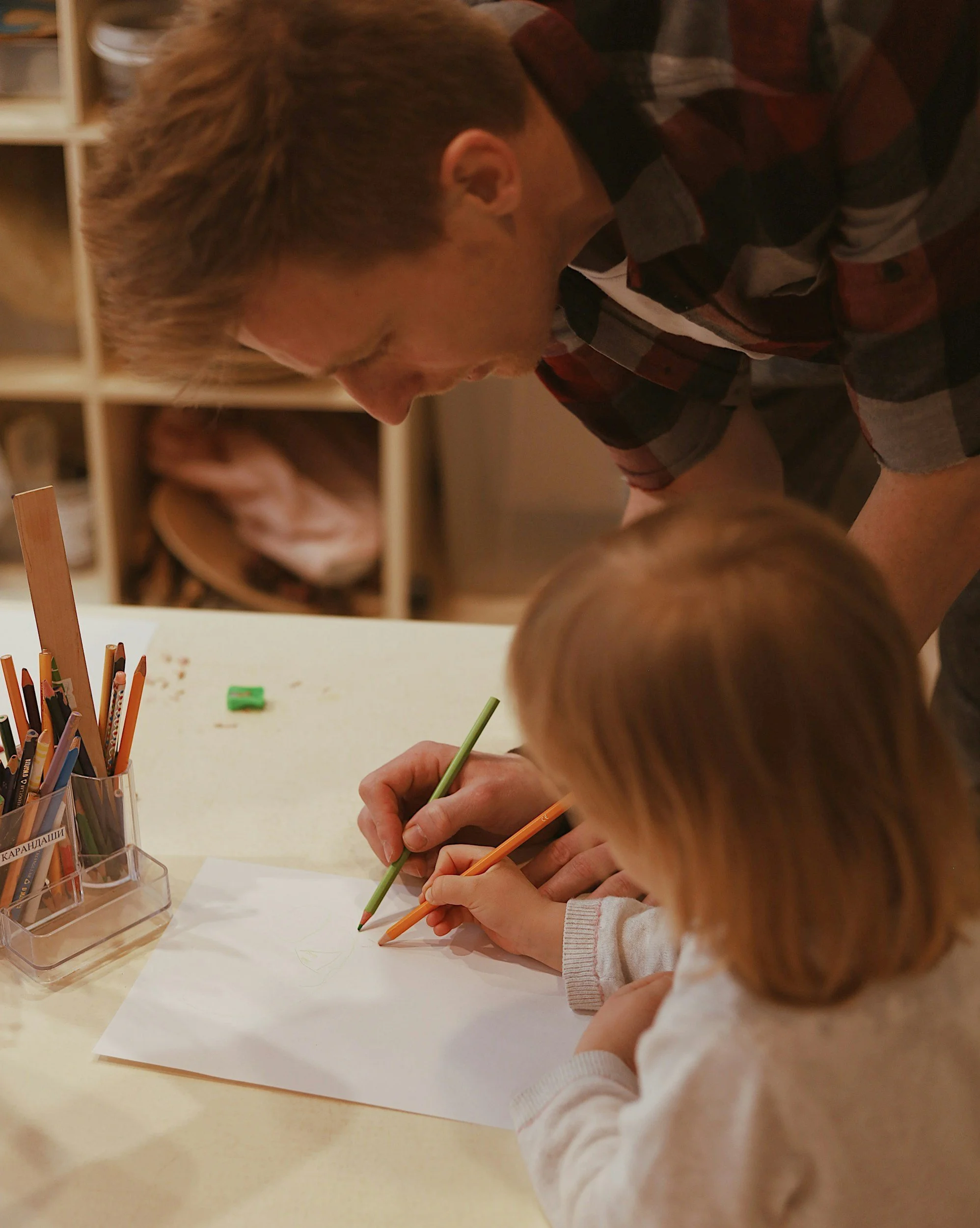
When a child asks "Will you draw it for me?", our instinct is to help, but providing a model to mimic can unintentionally limit their creative confidence. By responding with open-ended questions and focusing on their unique vision—whether a dinosaur has three heads or seven legs—we empower children to trust their own imagination. Learn how to support your child’s artistic journey without taking over the process, ensuring they feel capable and celebrated for their original ideas.
Process Art
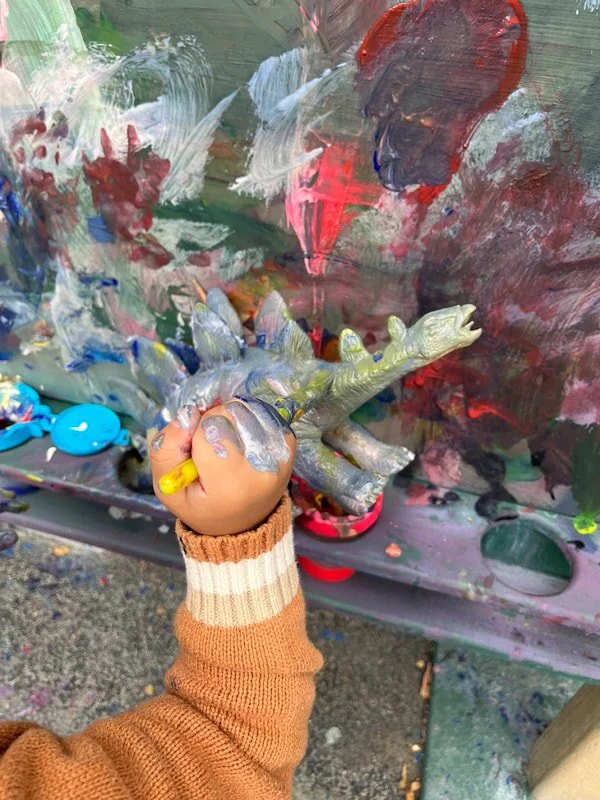
Process art shifts the focus from a finished "refrigerator masterpiece" to the sensory-rich journey of exploration and experimentation. By allowing children to tinker freely with materials without adult-led instructions, we empower them to take risks, solve problems, and trust their own creative instincts. At FPNS, we celebrate this liberating approach to art, where the joy of the experience helps children build resilience, confidence, and a deep sense of ownership over their ideas.
Where Are the Worksheets?
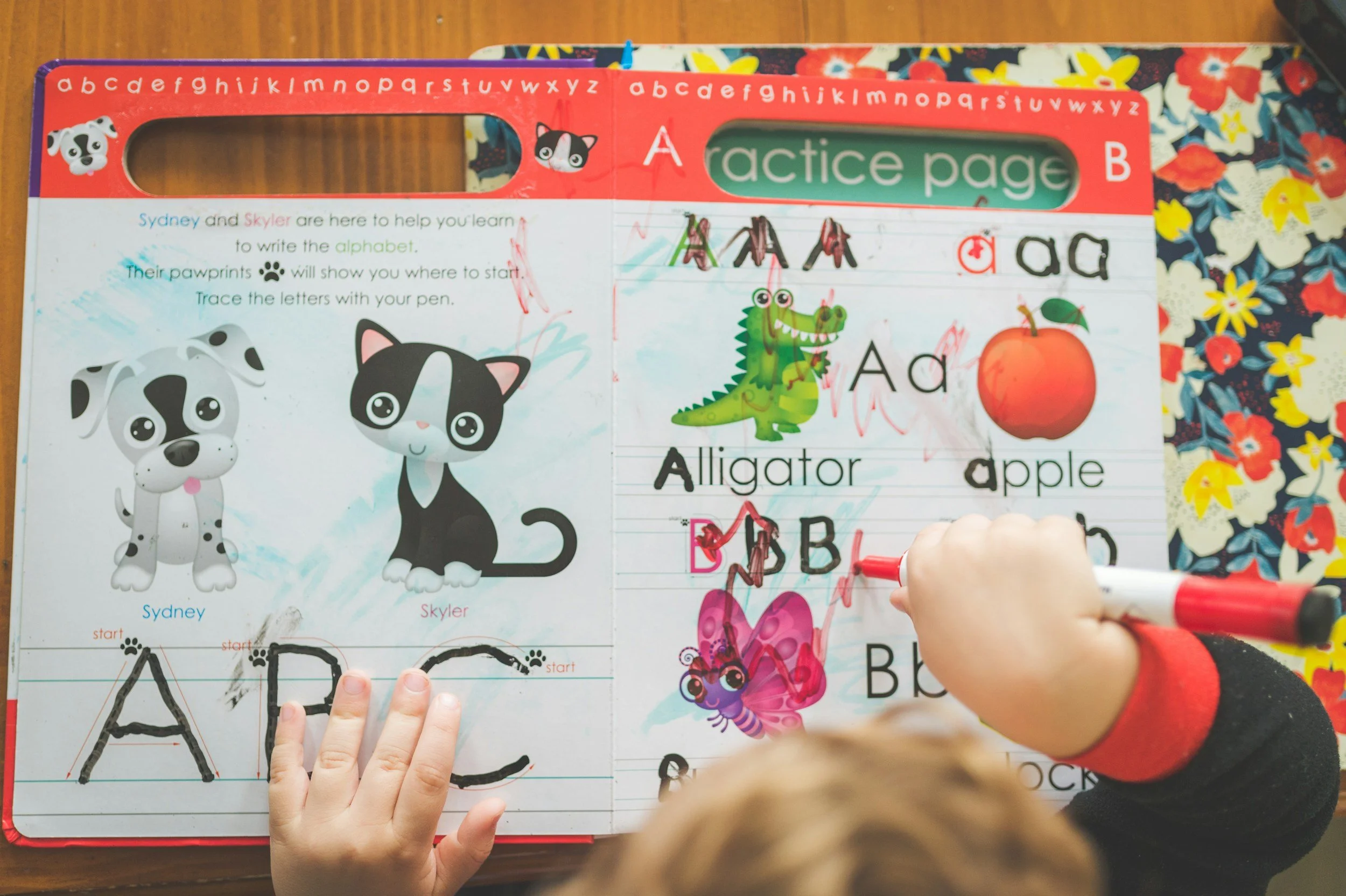
Learning to write begins long before a child picks up a pencil; it starts with building core body strength and fine motor control through active play like climbing, dancing, and using play dough. By crossing the midline and discovering that marks on paper carry meaning, children develop the essential physical and cognitive foundations for communication. At Fremont Parents’ Nursery School, we prioritize these developmental building blocks over worksheets to ensure every child is truly ready for the future.
It’s Not Just a Box… Play, Loose parts, and Imagination at FPNS
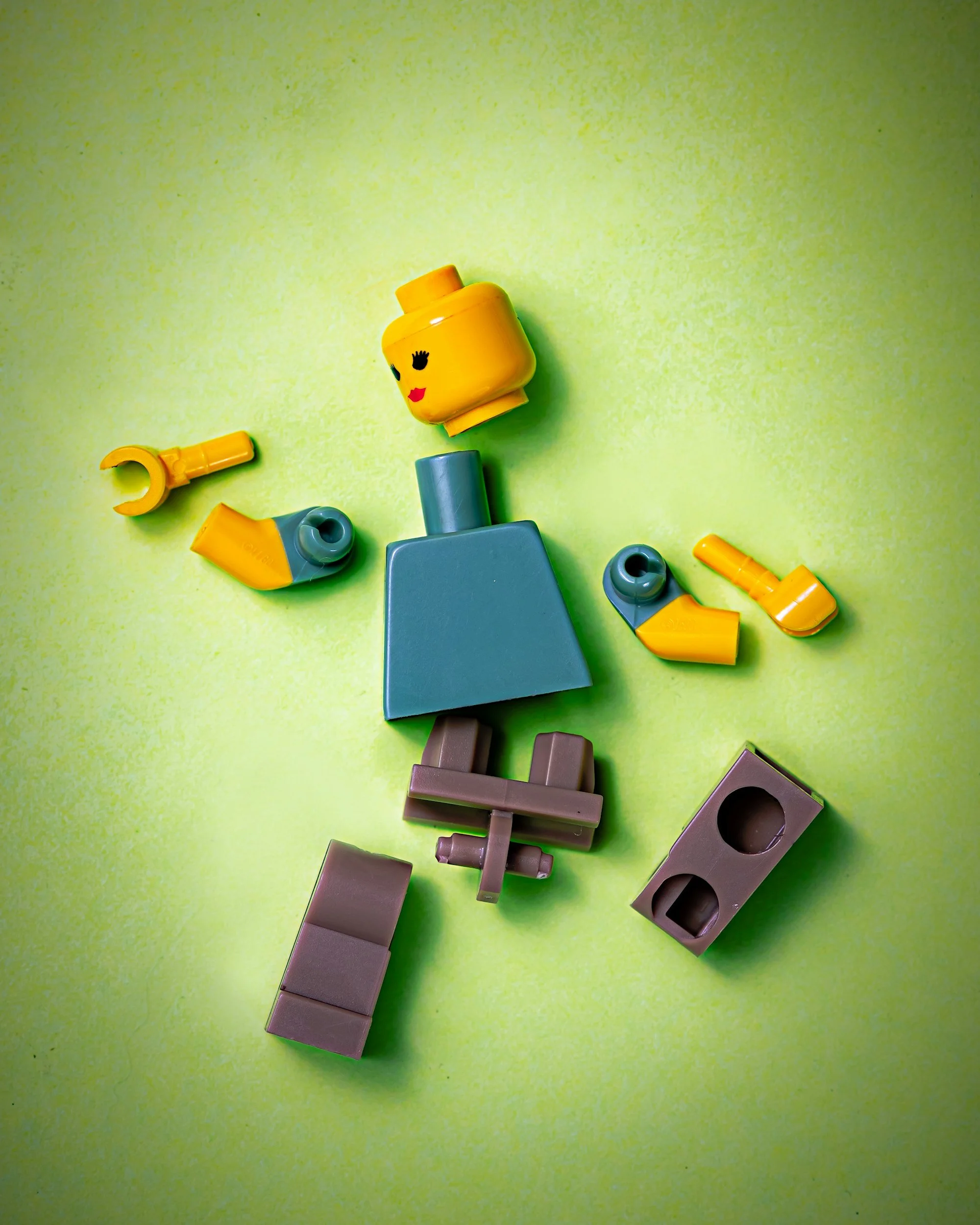
Loose parts play invites children into a world of "what if" where simple, unstructured materials become anything they can imagine. By using materials without a single fixed purpose, children develop critical problem-solving skills, learn to negotiate with peers, and build creative confidence. Discover how supporting this type of play validates your child’s ideas and helps them see themselves as capable, inventive, and intelligent human beings.
Why to Stop Saying ‘Good job’
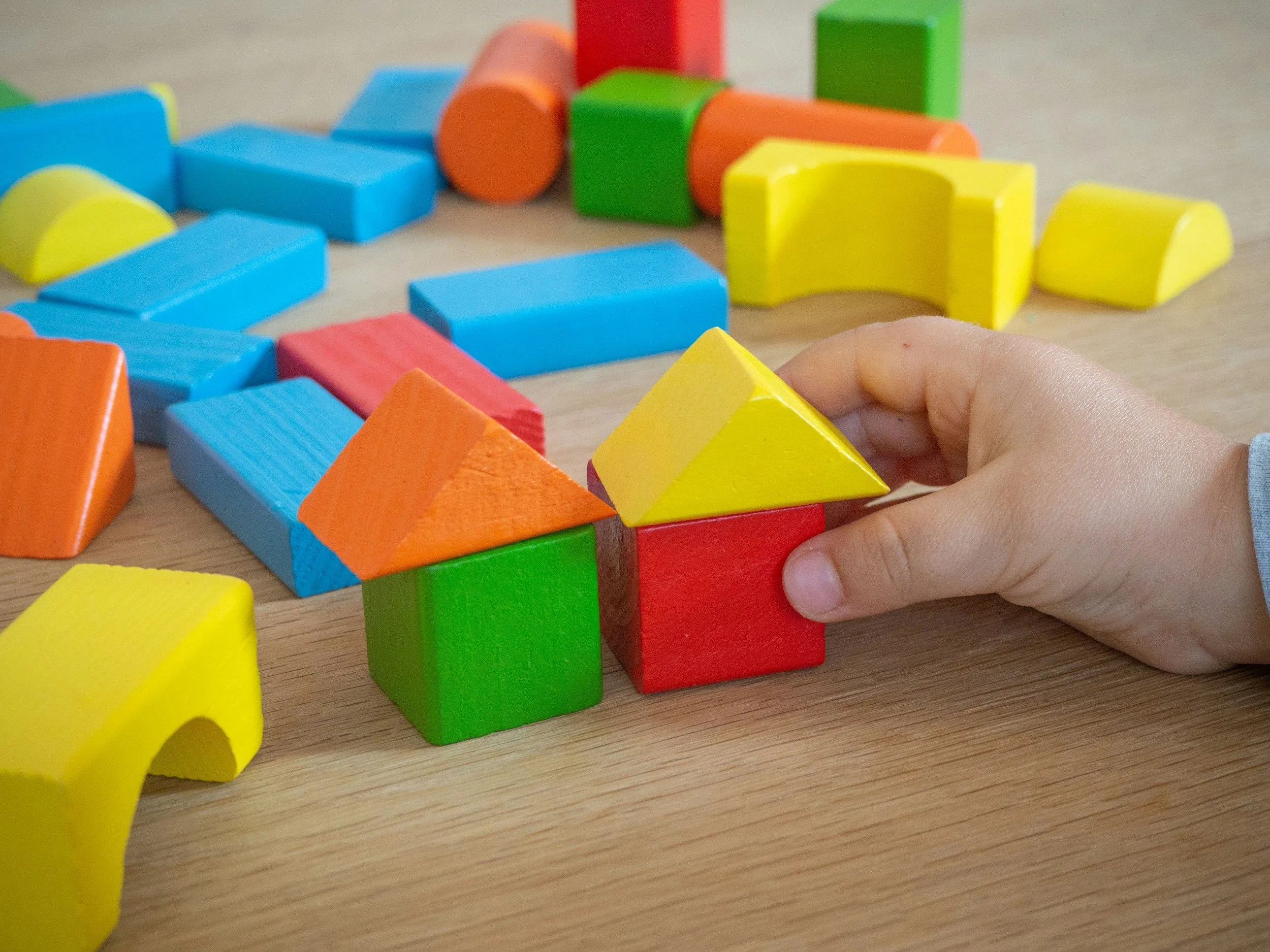
While hearing "good job" feels encouraging, children actually benefit more from specific validation than generic praise. By shifting our focus to observing a child's effort and asking curious questions, we help them develop long-term resilience and intrinsic motivation. Learn how choosing the right words can foster a growth mindset and show your child that you are truly paying attention to their hard work.