Our Philosophy
At Fremont Parents’ Nursery School, we believe that families thrive when children are given the space to explore, discover, and learn through play while parents are actively involved in their child's education. We believe that every child is an individual worthy of love and belonging, and that parents, as their children's primary teachers, grow stronger and more connected when given opportunities to learn and engage with their community. By embracing curiosity, celebrating mistakes as part of the learning journey, and encouraging hands-on, messy play, we create an environment where children flourish.
The Magic of Outdoor Learning
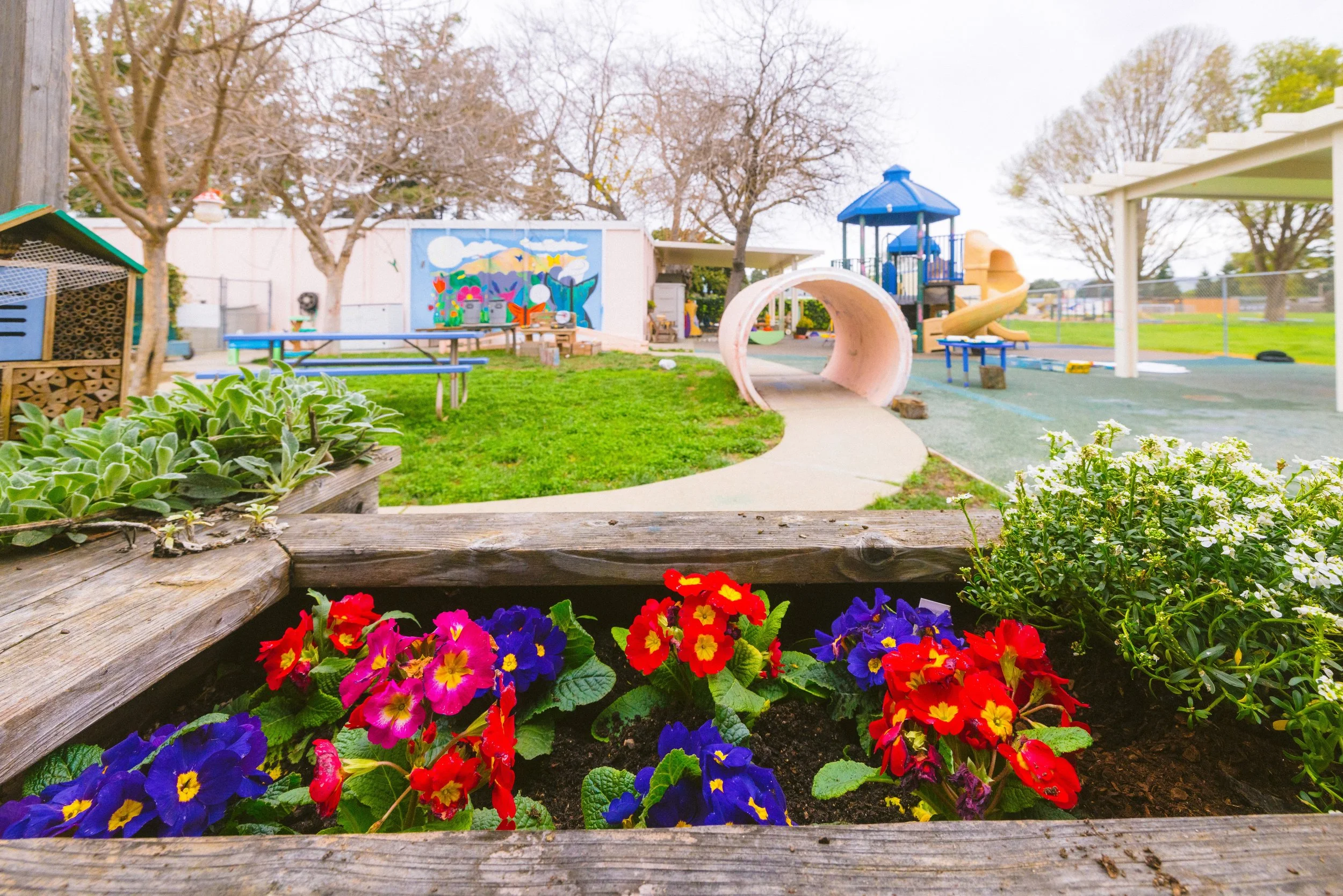
We don’t view the outdoors as a "break" from learning; it is where the most profound development occurs. By providing access to the natural world in every season and all weather, we foster:
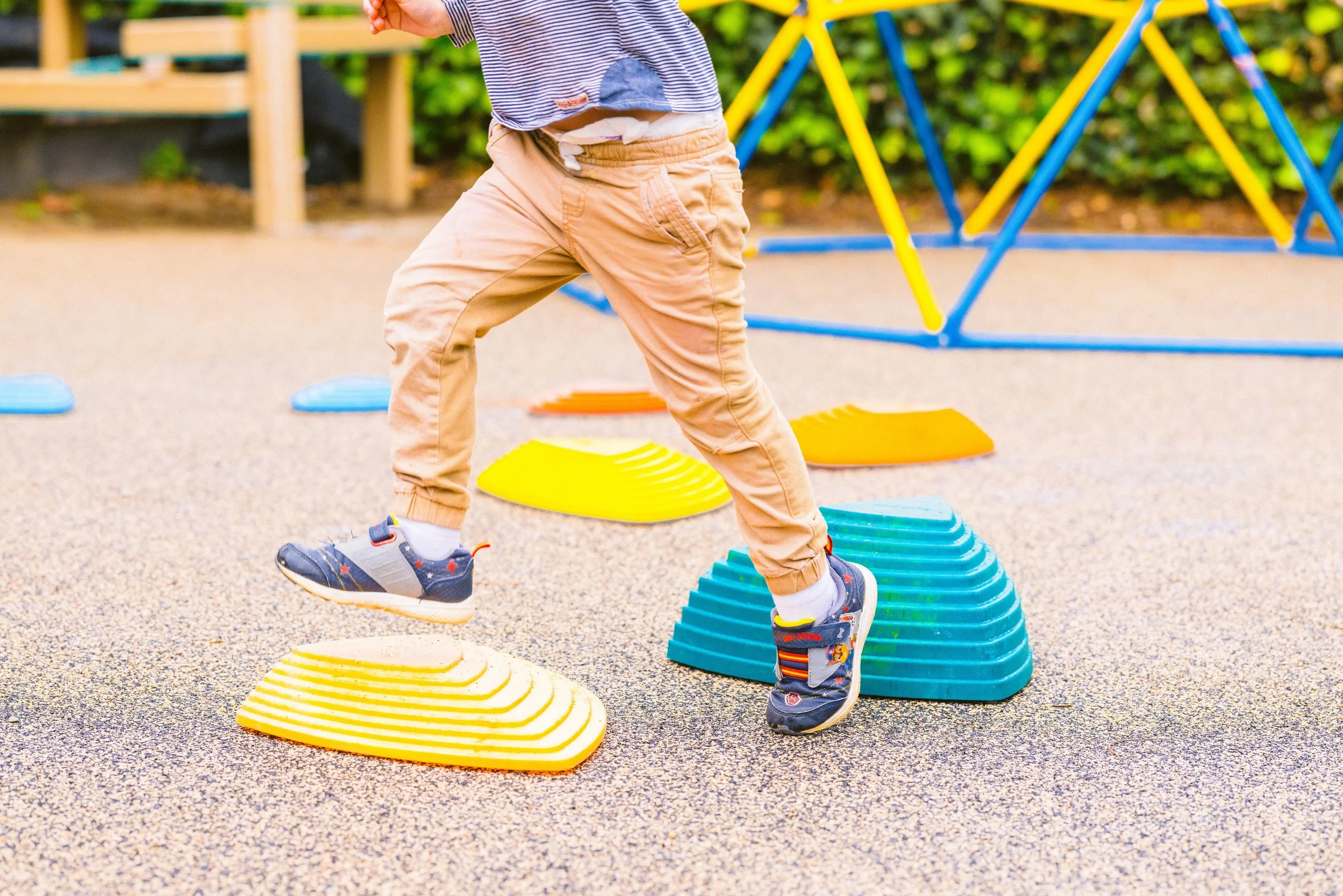
Physical Mastery: Climbing, jumping, and navigating uneven terrain build core strength, coordination, and cardiovascular health.
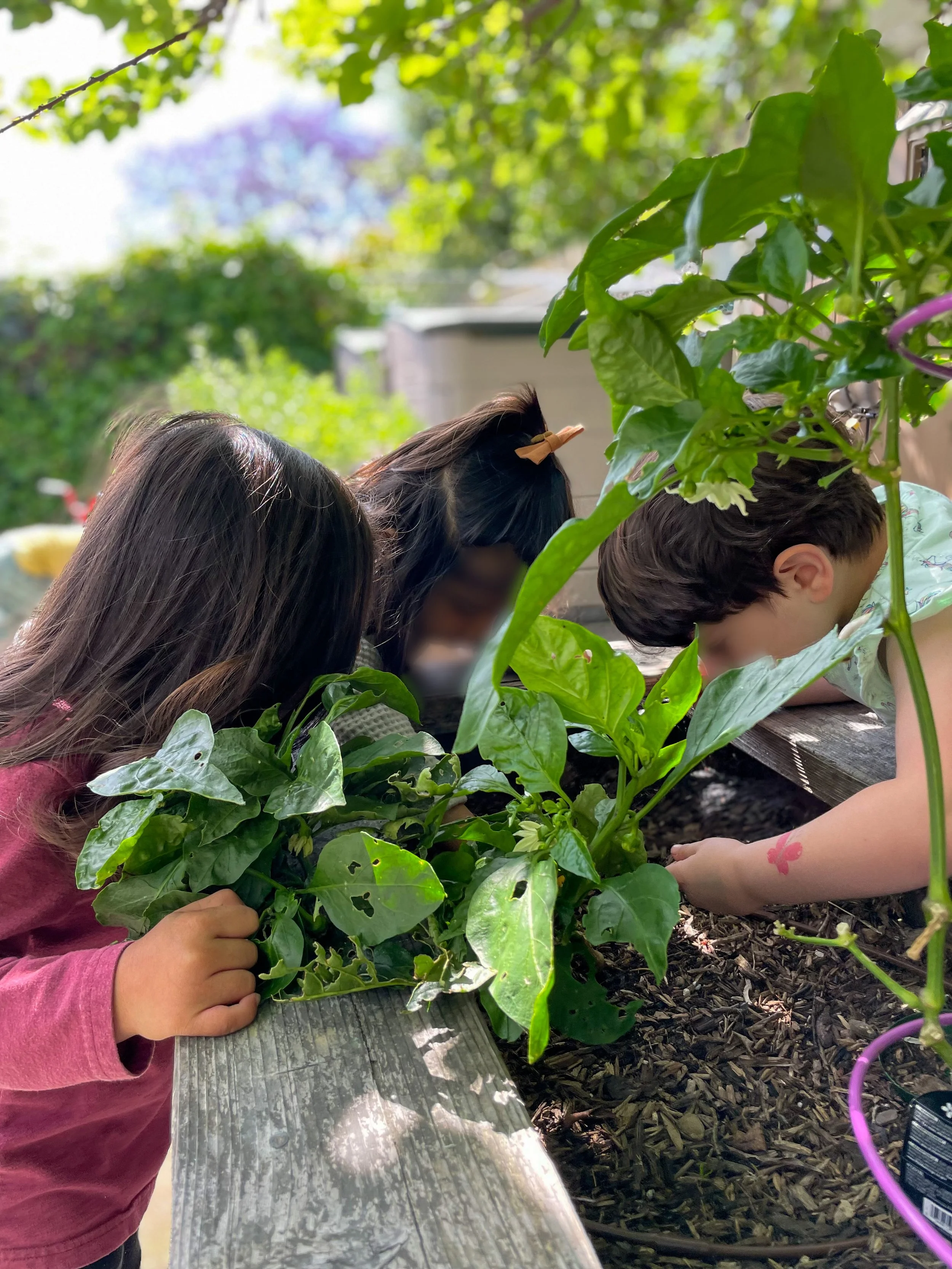
Ecological Literacy: Children develop a deep appreciation for the environment by observing species, textures, and the changing seasons firsthand.
Boundless Creativity: In nature, a fallen branch isn't just wood—it’s a magic wand, a horse, or a lever. We use "loose parts" to encourage self-expression and sensory exploration.
Learning Through Play
Play is the "work" of childhood. Through child-initiated activities, our students build the foundational skills necessary for future academic success in reading, writing, and mathematics.
Social & Emotional Intelligence: Within the sandbox or the "mud kitchen," children navigate the complexities of sharing, empathy, and patience.
Critical Problem-Solving: Whether they are building the tallest sandcastle or navigating a complex play structure, students are constantly testing hypotheses and refining their logic.
Language Richness: The stories created during play—from superhero sagas to forest adventures—naturally enrich vocabulary and comprehension.
Embracing Risky Play in a Safe Environment
We believe that for a child to truly grow, they must be allowed to test their limits. We champion "Risky Play"—activities that allow children to encounter reasonable physical challenges. While these activities carry a potential for minor injury, we believe that shielding children from all risks actually creates a greater danger: a lack of resilience and poor risk-assessment skills later in life.
Risk vs. Hazard: Knowing the Difference
We follow the distinction established by play advocate Rusty Keeler to ensure our environment is challenging yet safe:
Risk: A situation where a child can perceive the challenge and choose whether or not to engage (e.g., deciding how high to climb).
Hazard: A danger that a child cannot see, providing no opportunity for a logical choice (e.g., a broken piece of equipment or a hidden sharp object).
The 6 Pillars of Risky Play
Based on the research of Hansen Sandseter (2007), we encourage exploration across six key areas:
Exploring Heights: Climbing trees and structures to gain a new perspective.
Speed: Experiencing the exhilaration of riding tricycles fast or sliding down slippery surfaces.
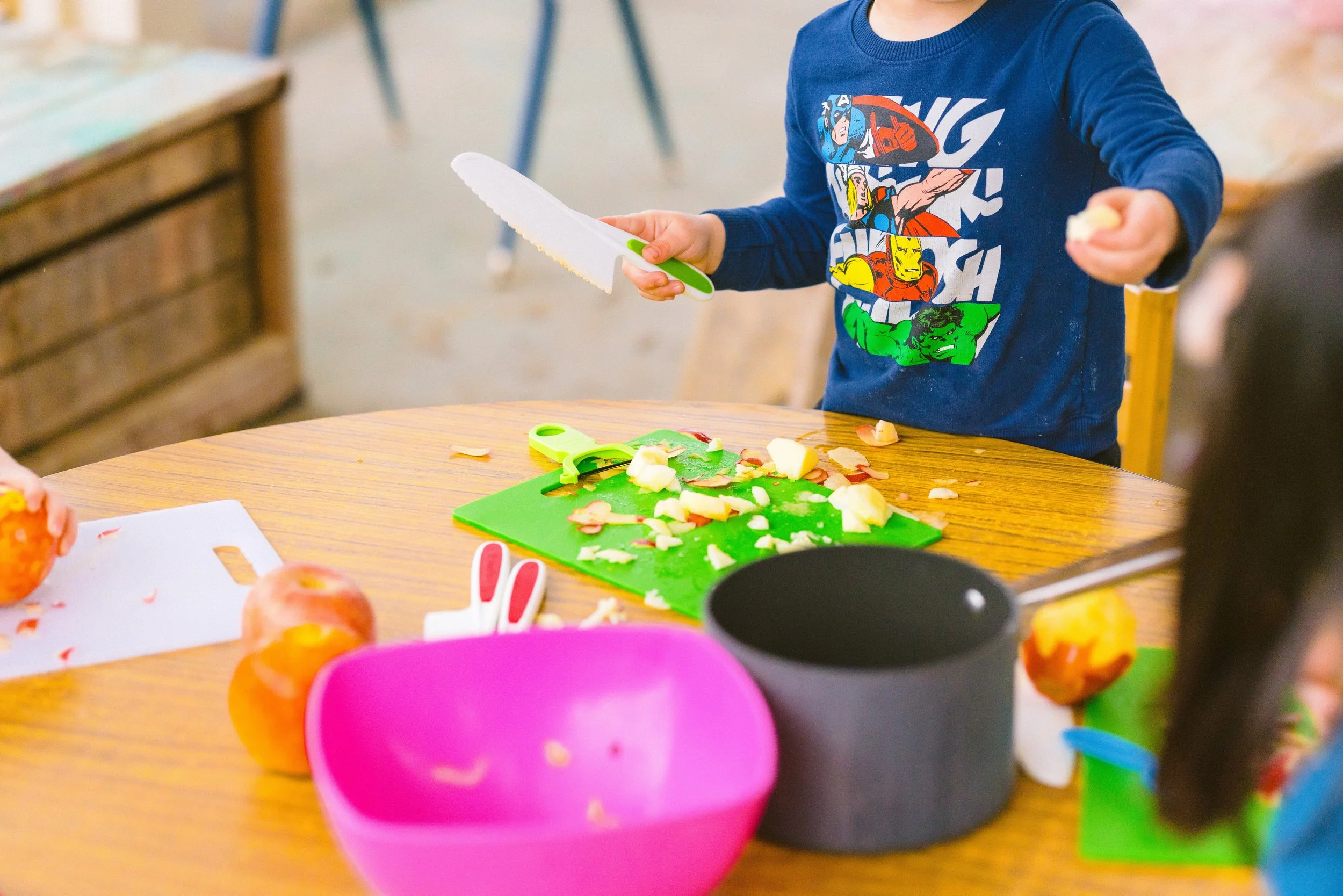
Handling Dangerous Tools: Learning the responsibility and mechanics of using real tools safely.
Proximity to Dangerous Elements: Supervised play near water or fire to understand natural forces.
Rough-and-Tumble Play: Engaging in physical play that teaches boundaries and social cues.
Playing Alone: Fostering independence by allowing children to explore out of the direct line of sight for short periods.
The Role of Adults
Our teachers and parents aren't just supervisors; they are partners in exploration. We equip adults to:
Identify and remove hazards while leaving room for healthy risks.
Communicate empoweringly, asking questions like "What is your plan for getting down?" rather than saying "Be careful".
Manage personal fears, learning to trust the child's innate ability to follow their curiosity and assess their own comfort levels.
Why We Encourage It
Through repeated exposure to these challenges, children learn to manage, control, and overcome their fears. This leads to:
Mastery of Gross Motor Skills: Building strength, coordination, and total body awareness.
Emotional Resilience: Learning that it’s okay to fail the first time and finding the persistence to try again until they succeed.
Confident Decision-Making: Developing the internal tools to determine their own level of risk and safety for the rest of their lives.